Is A Root Canal Right For You? | Henderson Dentist

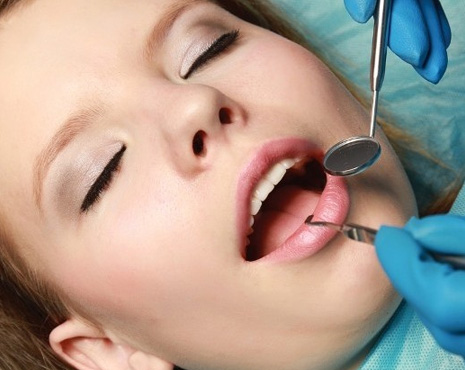
Woman receiving sedation dentistry

Determining whether a patient needs a root canal involves a thorough examination and diagnosis by a dentist or endodontist. A root canal is necessary when the pulp, the innermost part of the tooth containing nerves and blood vessels, becomes infected or inflamed. Here’s how dentists determine the need for a root canal and the key differences between a root canal and a routine extraction:

Determining the Need for a Root Canal:

  1. Symptoms Assessment: The first step is evaluating the patient’s symptoms. Common signs indicating a potential need for a root canal include severe toothache, prolonged sensitivity to hot or cold, swelling, tenderness in the gums, and discoloration of the tooth. These symptoms suggest that the pulp may be damaged or infected.
  2. Clinical Examination: The dentist will perform a clinical examination, checking for visible signs of decay, damage, or infection. They may use a dental probe to test the tooth’s response to pressure and tapping.
  3. X-Rays: X-rays are crucial in diagnosing the extent of infection or damage. They provide a detailed view of the tooth’s roots and surrounding bone, revealing any abscesses, deep decay, or other issues that might necessitate a root canal.
  4. Pulp Vitality Testing: Sometimes, the dentist may perform a pulp vitality test to determine the health of the tooth’s pulp. This test involves applying a cold stimulus or an electric current to the tooth to see if it responds, helping to assess whether the pulp is still alive or necrotic.

Root Canal vs. Routine Extraction:

  • Purpose: A root canal aims to save a tooth that is severely damaged or infected but still structurally sound. The procedure involves removing the infected pulp, cleaning the inside of the tooth, and sealing it. A routine extraction, on the other hand, involves removing a tooth entirely due to severe decay, damage, crowding, or other reasons.
  • Procedure: During a root canal, the dentist drills into the tooth to access and remove the pulp, cleans the root canals, and fills them with a biocompatible material. The tooth is then sealed and often restored with a crown to provide strength and functionality. A routine extraction involves loosening and removing the entire tooth from its socket, sometimes requiring stitches to close the extraction site.
  • Outcome: A root canal preserves the natural tooth, maintaining its appearance and function. This is generally preferred as it helps maintain the alignment of the teeth and supports overall oral health. In contrast, a routine extraction leaves a gap that may need to be addressed with a bridge, implant, or denture to prevent shifting of adjacent teeth and other complications.

By understanding these procedures and their purposes, patients can appreciate the importance of timely dental care and make informed decisions about their treatment options.

Interested in learning more? Call to schedule an appointment today at 702-735-2755 or visit us online at www.patricksimonedds.com today.

Dr. Patrick Simone proudly serves patients from Henderson and all surrounding areas.

Links Between Oral Health & Disease | Henderson Dentist

cosmetic dentistry

Oral health is often perceived as separate from overall health, but the truth is that the condition of your mouth can have a significant impact on the rest of your body. The mouth serves as a gateway to your body, and maintaining oral hygiene is crucial in preventing a host of common diseases. This blog explores the intricate connection between oral health and systemic health, highlighting the importance of regular dental care.

Cardiovascular Disease

One of the most significant connections between oral health and systemic health is the link to cardiovascular disease. Studies have shown that individuals with periodontal (gum) disease are at a higher risk of heart disease. The inflammation caused by periodontal disease can lead to the development of atherosclerosis, a condition where plaque builds up in the arteries, potentially leading to heart attacks and strokes. The bacteria from gum disease can also enter the bloodstream, causing inflammation and narrowing of blood vessels, further increasing cardiovascular risk.

Diabetes

Diabetes and oral health have a bidirectional relationship. Poor oral health can make it difficult to control blood sugar levels, while high blood sugar levels can contribute to the development of gum disease. People with diabetes are more susceptible to infections, including periodontal disease, due to a compromised immune system. Conversely, severe periodontal disease can increase blood sugar levels, making diabetes management more challenging.

Respiratory Infections

Oral health can also impact respiratory health. Bacteria from the mouth can be inhaled into the lungs, leading to respiratory infections such as pneumonia, especially in individuals with compromised immune systems or the elderly. Maintaining good oral hygiene can reduce the bacterial load in the mouth, thereby decreasing the risk of respiratory infections.

Pregnancy Complications

Pregnant women with poor oral health are at a higher risk of pregnancy complications, including preterm birth and low birth weight. Inflammatory responses from periodontal disease can release harmful bacteria and inflammatory mediators into the bloodstream, potentially affecting the developing fetus. Pregnant women should prioritize dental care to ensure both their health and the health of their baby.

The connection between oral health and overall health underscores the importance of regular dental check-ups and maintaining good oral hygiene. Brushing and flossing daily, alongside routine visits to the dentist, are essential practices to prevent oral diseases that can have far-reaching impacts on your overall health. By taking care of your mouth, you’re investing in your entire body’s well-being.

Interested in learning more? Call to schedule an appointment today at 702-735-2755 or visit us online at www.patricksimonedds.com today.

Dr. Patrick Simone proudly serves patients from Henderson and all surrounding areas.
Navigating the Path to Excellence: Becoming Board-Certified | Henderson Dentist

Woman receiving sedation dentistry

Embarking on the journey to become a board-certified dentist is a commendable pursuit that requires dedication, education, and a passion for oral health. This transformative path not only elevates your professional status but also ensures a commitment to the highest standards of patient care. In this blog post, we’ll explore the essential steps and key considerations for those aspiring to achieve board certification in dentistry.

Continue reading “Navigating the Path to Excellence: Becoming Board-Certified | Henderson Dentist”

Getting Your Kids to Enjoy The Dentist | Henderson Dentist

girl with missing teeth

A trip to the dentist often invokes anxiety for both children and parents alike. However, transforming the dental visit into a positive and enjoyable experience is crucial for fostering good oral health habits from a young age. In this blog post, we’ll explore effective strategies to help kids not only overcome their dental fears but actually look forward to their visits.

Continue reading “Getting Your Kids to Enjoy The Dentist | Henderson Dentist”

Understanding Dental Specialties | Henderson Dentist

Young woman smiling with perfect dental health

Dentistry is a multifaceted field with a range of specialized branches, each focusing on specific aspects of oral health. These dental specialties play a crucial role in ensuring comprehensive care for patients. In this blog post, we’ll delve into some of the prominent dental specialties, shedding light on the unique roles they play in maintaining and improving oral health.

Continue reading “Understanding Dental Specialties | Henderson Dentist”

Understanding and Managing Tooth Sensitivity | Henderson Dentist

woman with dental anxiety

Tooth sensitivity is a common dental concern that affects millions of people worldwide. Whether it’s a sudden jolt of pain while enjoying an ice cream cone or a twinge when sipping hot coffee, sensitive teeth can be a real discomfort. In this blog post, we’ll delve into the causes of tooth sensitivity and explore effective strategies for managing and preventing this common dental issue.

Continue reading “Understanding and Managing Tooth Sensitivity | Henderson Dentist”

What To Know About Dental Emergencies | Henderson Dentist

tooth trauma

Dental emergencies can strike at any time, causing pain and anxiety. In this guide, we’ll explore common dental emergencies, their causes, and practical steps for immediate relief. Whether it’s a sudden toothache or a knocked-out tooth, being prepared and informed can make all the difference in managing these situations effectively.

Understanding Dental Emergencies:

Dental emergencies encompass a range of urgent situations, from severe toothaches and broken teeth to injuries affecting the mouth and jaw. Recognizing the signs of a dental emergency is crucial for prompt action. Common issues include intense pain, swelling, bleeding, and damage to teeth or surrounding tissues.

Common Dental Emergencies:

  • Toothaches: Causes, symptoms, and initial at-home remedies.
  • Broken or Chipped Teeth: Immediate steps to take and the importance of saving any broken fragments.
  • Knocked-Out Tooth: Quick response tips for the best chance of saving a dislodged tooth.
  • Lost Fillings or Crowns: Temporary solutions until professional help is available.

First Aid for Dental Emergencies:

Effective first aid can alleviate pain and prevent further damage before reaching the dentist. Some families are prepared with an emergency first-aid kit which may include over-the-counter pain relievers, sterile gauze, a small container for a knocked-out tooth, and dental cement for temporary repairs.

Seeking Professional Help:

While temporary measures can provide immediate relief, consulting a dentist is crucial. The guide will outline the importance of contacting a dental professional promptly, even if the pain subsides, to address underlying issues and prevent potential complications.

In times of dental emergencies, knowledge and preparedness are key. By familiarizing yourself with common issues, knowing how to administer effective first aid, and seeking timely professional help, you can navigate dental emergencies with confidence, minimizing pain and ensuring the best possible outcomes for your oral health.

Interested in learning more? Call to schedule an appointment today at 702-735-2755 or visit us online at www.patricksimonedds.com today.

Dr. Patrick Simone proudly serves patients from Henderson and all surrounding areas.

The Battle Against Bad Breath | Henderson Dentist

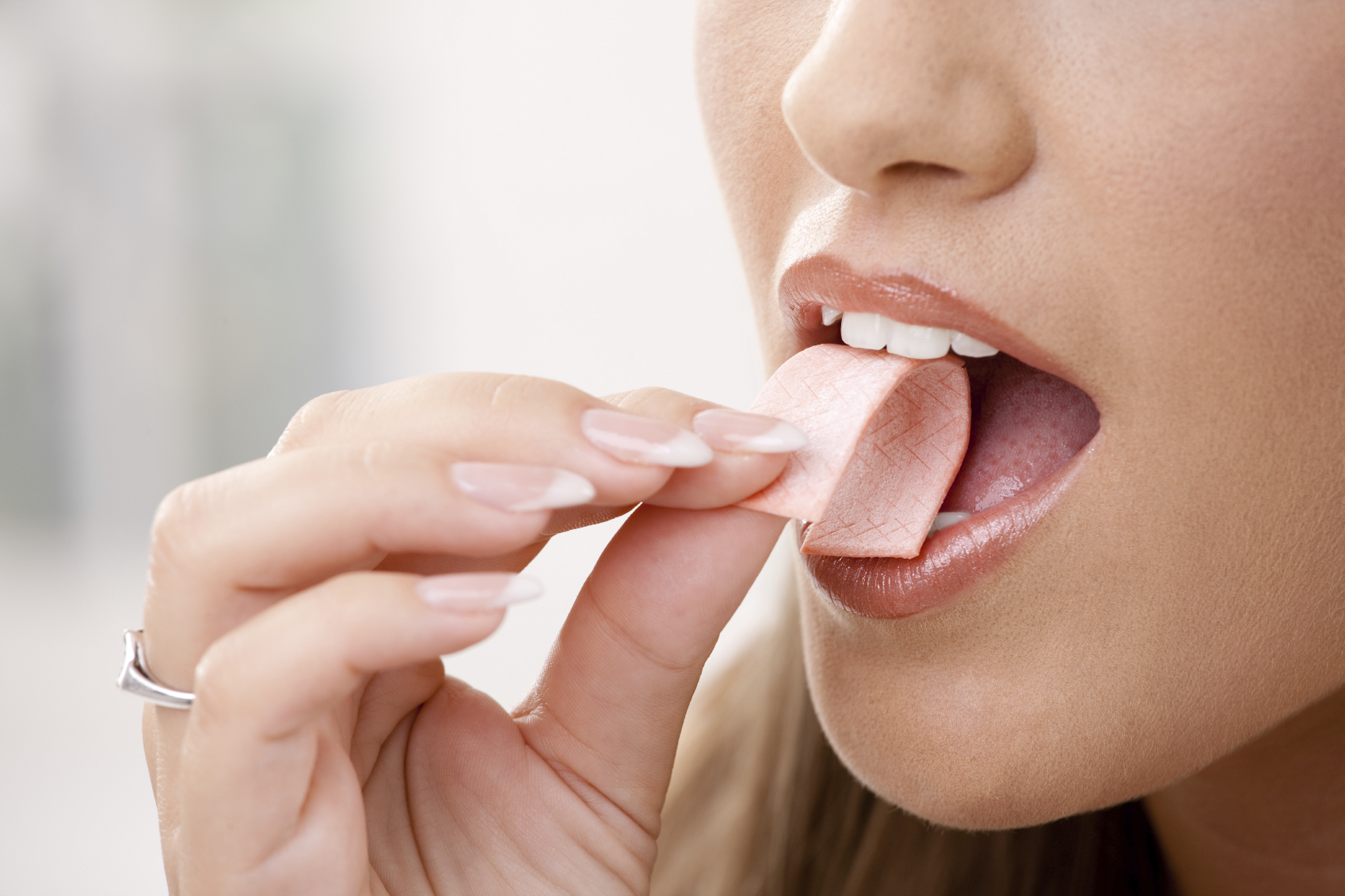
Taking chewing gum

Bad breath, also known as halitosis, is a common and often embarrassing condition that can affect anyone at any age. While it’s a prevalent issue, its impact on social interactions and self-esteem cannot be overstated. In this blog post, we will delve into the causes of bad breath, effective prevention strategies, and lifestyle changes to keep your breath fresh and your confidence soaring.

Understanding the Causes:

  • Poor Oral Hygiene: the most common cause of bad breath is inadequate oral hygiene. Bacteria thrive in the mouth, feeding on food particles left behind after meals. Regular brushing, flossing, and tongue cleaning can significantly reduce the bacterial load, preventing bad breath.
  • Dry Mouth: saliva plays a crucial role in maintaining oral health by neutralizing acids and washing away debris. Dry mouth, often caused by certain medications or dehydration, reduces saliva production, creating an environment where bacteria flourish and contribute to bad breath.
  • Diet: the foods we consume can directly impact our breath. Strong-smelling foods like garlic, onions, and certain spices can leave a lingering odor. Additionally, crash diets or low-carbohydrate diets can lead to the production of ketones, resulting in an unpleasant breath.
  • Tobacco Use: smoking and using tobacco products not only stains teeth but also contributes to bad breath. These habits can irritate the gums, leading to gum disease, another major factor in halitosis.
  • Medical Conditions: underlying medical conditions such as respiratory infections, diabetes, and gastrointestinal issues can manifest as bad breath. Addressing these health concerns can often alleviate the associated oral odor.

Prevention Strategies:

  • Maintain Excellent Oral Hygiene: brush your teeth at least twice a day, floss daily, and use an antimicrobial mouthwash to eliminate bacteria and plaque buildup.
  • Stay Hydrated: drinking an adequate amount of water helps maintain saliva production, preventing dry mouth and reducing the risk of bad breath.
  • Watch Your Diet: limit the consumption of strong-smelling foods and beverages. Opt for a balanced diet rich in fruits and vegetables to promote oral health.
  • Quit Smoking: if you smoke or use tobacco products, quitting can improve not only your breath but also your overall health.
  • Regular Dental Checkups: scheduling regular dental appointments allows your dentist to detect and address oral health issues before they contribute to bad breath.

Lifestyle Changes:

  • Go Sugar-Free: chewing sugar-free gum or sucking on sugar-free mints can stimulate saliva flow, helping to keep your mouth moist and fresh.
  • Maintain a Healthy Lifestyle: exercise regularly, eat a balanced diet, and manage stress to promote overall well-being, which can indirectly contribute to better oral health

Banishing bad breath requires a multi-faceted approach involving good oral hygiene, healthy lifestyle choices, and addressing underlying health issues. By incorporating these strategies into your daily routine, you can confidently embrace a fresher breath and a more positive social experience. Remember, a little effort goes a long way in the fight against bad breath!

Interested in learning more? Call to schedule an appointment today at 702-735-2755 or visit us online at www.patricksimonedds.com today.

Dr. Patrick Simone proudly serves patients from Henderson and all surrounding areas.